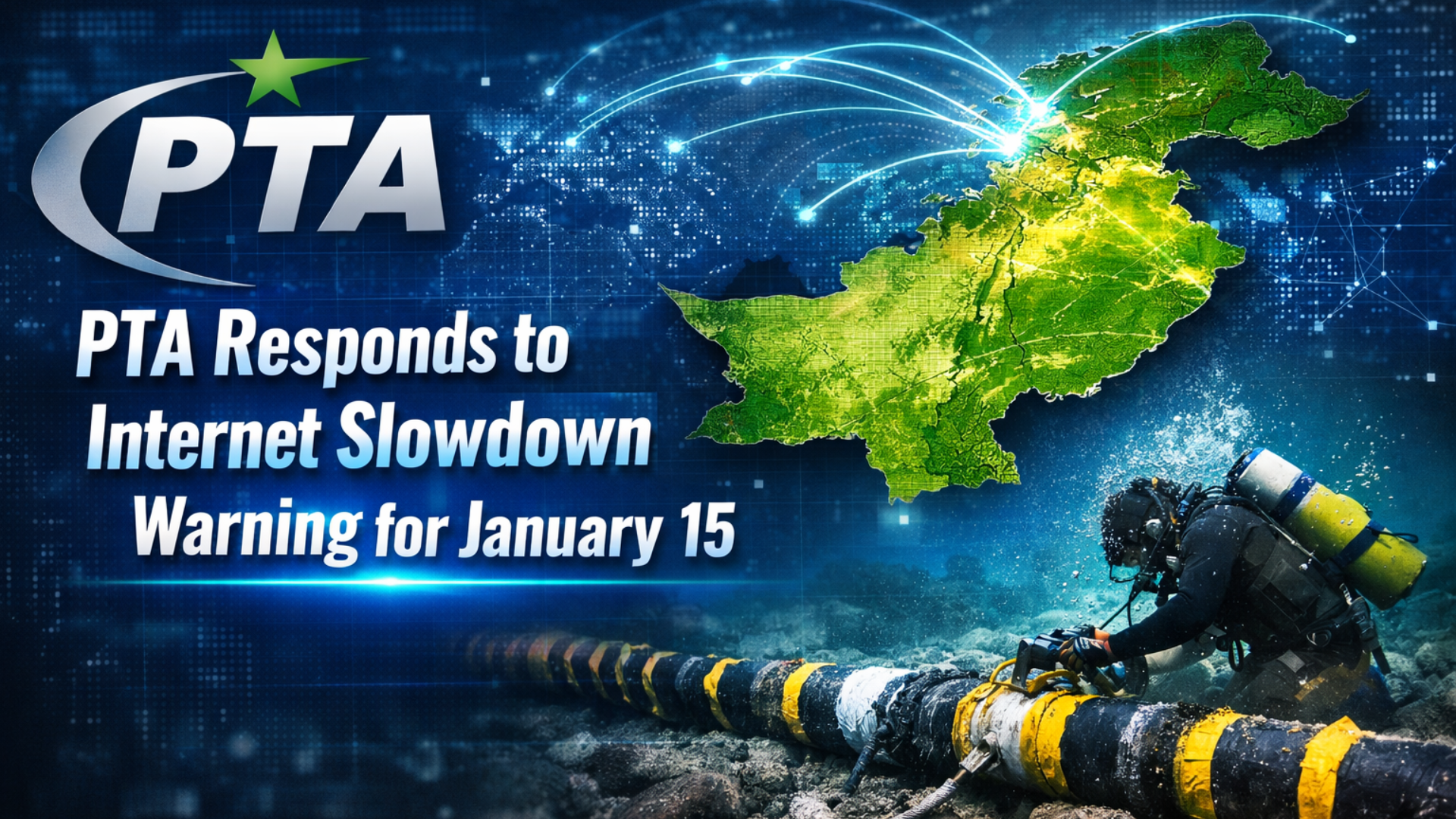


Internet is Still Down in Pakistan After Over 48 Hours. As of now, Pakistan has been grappling with an internet outage for over 48 hours, affecting millions of users across the country. Despite efforts from various stakeholders, the internet services remain unstable, leaving many individuals and businesses frustrated.
Cause Behind the Internet Disruption
The source of this widespread outage traces back to a technical fault in one of the upstream providers of Nayatel, a major internet service provider in Pakistan. According to official statements made by Nayatel through their social media platform, X (formerly Twitter), the issue stemmed from disruptions in one of their two primary upstream providers. This technical glitch has led to slower internet speeds, particularly in terms of upload speeds.
Nayatel was the first internet service provider to officially confirm the disruption, providing transparency to its customers regarding the ongoing situation. However, it is important to note that this issue is not isolated to Nayatel users alone. The fault has impacted multiple service providers that depend on Transworld, a significant fiber backbone provider in Pakistan. Since Transworld supplies internet infrastructure to many of the country’s internet service providers (ISPs), the outage has created a ripple effect, affecting a large number of users across different networks.
Impact on Internet Service Providers (ISPs) and Their Customers
Nayatel’s Struggles
For Nayatel customers, the problem began more than two days ago, with many reporting significant slowdowns in their internet speed, particularly in terms of upload speeds. The company’s acknowledgment of this fault has brought some clarity to users who were left in the dark. However, despite the company’s efforts to address the issue, the restoration of normal services is taking longer than expected.

The outage has had a significant impact on businesses, professionals, students, and everyday internet users who rely on the service for communication, work, and entertainment. With upload speeds severely affected, many users have found it difficult to carry out basic online tasks such as video conferencing, file uploads, and online streaming.
Other ISPs Affected by the Fault
While Nayatel was the first to confirm the issue, the outage is not limited to just one ISP. Since Transworld serves as the backbone for many internet providers in Pakistan, several other ISPs are facing similar problems. These include a mix of both major and smaller ISPs, all of which rely on Transworld for their infrastructure. As a result, users of other service providers have also reported significant internet slowdowns, with many experiencing delays in accessing websites, slow downloads, and issues with video calls.
This widespread disruption is a reminder of how reliant Pakistan’s internet ecosystem is on a few key infrastructure providers. A fault in one major provider can cause ripple effects that impact not just one service, but many others across the country. It’s a wake-up call for ISPs and service providers to diversify their networks and infrastructure to avoid such systemic issues in the future.

Efforts to Restore Internet Services
Nayatel has reassured its users that it is working diligently with the involved parties to restore normal services. However, the company has not provided a clear timeline for when the issue will be fully resolved. Given that internet services in Pakistan are already somewhat patchy in certain areas, this prolonged outage is causing significant inconvenience for a large section of the population.
The technical teams are working round the clock to fix the fault, but the situation remains uncertain. The lack of clear communication about the restoration timeline has only added to the frustration of many customers, who have been left waiting for any sign of normalcy. While some users have noticed minor improvements in speed, full resolution seems to be taking longer than expected.
Broader Implications of the Outage
The ongoing internet disruption has far-reaching consequences. For businesses, especially those that rely on a stable internet connection for operations, this outage has meant delays in communication, missed opportunities, and potential financial losses. Freelancers, remote workers, and students who rely on the internet for their livelihoods and studies are facing disruptions to their daily routines.

In a country where e-commerce and digital businesses are growing rapidly, consistent internet access is crucial for economic progress. The outage could harm Pakistan’s growing digital economy, especially when it comes to remote work, online businesses, and digital payments, which require a stable and fast internet connection.
Impact on Education
The outage also has a significant impact on education, particularly for students who are dependent on online learning platforms. With many schools and universities in Pakistan offering hybrid or fully online learning, slow or disrupted internet access has hindered students’ ability to attend classes, access course materials, and complete assignments. For students in remote areas, where internet access was already limited, this disruption is even more damaging.
How Users Are Coping
Given the nature of the outage, many users have turned to alternative solutions to continue their work. Some are relying on mobile data, which, while an option, is not a sustainable long-term solution due to limited data packages and slow speeds. Others have been forced to look for alternative ISPs or even switch to other service providers, but this is not always an easy or quick fix.

The situation highlights the importance of reliable internet infrastructure and the need for service providers to have contingency plans in place for emergencies. As the digital economy continues to grow, ensuring that Pakistan’s internet infrastructure can handle demand and remain stable is more important than ever.
Looking Forward: What Needs to Be Done
As the restoration efforts continue, it’s crucial for Pakistan’s internet service providers to assess the long-term stability and scalability of their networks. This outage serves as a reminder that dependency on a few infrastructure providers can lead to widespread issues in case of failure.
Service providers need to invest in diversifying their networks, ensuring that their systems are robust enough to handle such disruptions. Additionally, clearer communication from ISPs regarding timelines and progress would help ease user frustrations and maintain trust in the service.

Conclusion
The ongoing internet outage in Pakistan continues to affect millions of users, with no clear resolution in sight. While Nayatel and other ISPs are working on restoring normal service, the disruption highlights the vulnerability of Pakistan’s internet infrastructure and the need for better contingency plans. As Pakistan’s digital economy grows, ensuring reliable and robust internet services becomes more important than ever.